Texas Native Wildflowers Watercolor: A Creative Toolkit for Authentic Design
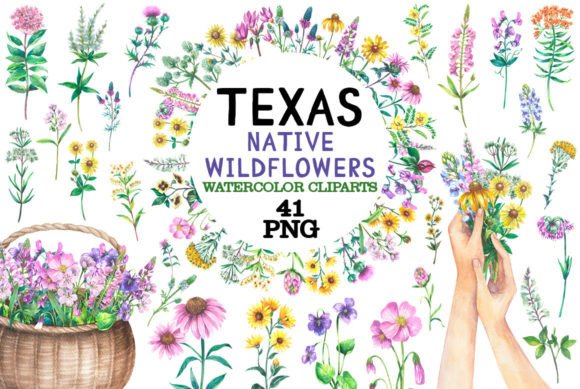
There is a specific quality to a hand-painted illustration that digital brushes often struggle to replicate. It is the slight bleed of pigment into wet paper, the subtle granulation of a pigment settling into texture, the organic imperfection that signals a human hand. This is the core appeal of the Texas Native Wildflowers Watercolor collection. It is not a set of sterile, uniform vectors. It is a curated gallery of 41 authentic, hand-painted botanical illustrations, scanned at high resolution and prepared for immediate creative use.
This collection offers more than just images of flowers. It provides a visual language rooted in the natural landscape of Texas. From the iconic, indigo spires of the Bluebonnet to the fiery, intricate clusters of Butterfly Milkweed, each piece carries the personality of its real-world counterpart. The watercolor style adds a layer of warmth, texture, and artistic credibility. For designers, marketers, and creators, this means access to a library of design assets that feel genuine, not generated. The transparent PNG format at 300dpi ensures they are versatile enough for both high-quality print projects and crisp digital applications.
Where Organic Artistry Meets Practical Application
The strength of these illustrations lies in their versatility. They are not confined to a single aesthetic. A single Shooting Star or Prairie Trillium can serve as a delicate accent in a minimalist brand identity. A collection of them, thoughtfully arranged, can become the foundation of a rich, layered editorial design or a distinctive packaging concept. Consider the practical applications:
- Brand Identity & Logo Design: For businesses rooted in nature, wellness, local goods, or artisanal crafts, these illustrations can inject authenticity. A Wild Bergamot or Purple Coneflower can become a recognizable brand mark that communicates organic values and regional pride.
- Editorial & Publishing: Bloggers, magazine designers, and book publishers can use these as chapter headings, section dividers, or full-page features. They add visual interest and thematic depth to articles about gardening, sustainable living, Texas culture, or botanical studies.
- Packaging & Product Design: Imagine these flowers adorning seed packets, soap labels, artisanal food packaging, or stationery. The watercolor style suggests handcrafted quality, making products feel more personal and premium.
- Digital & Social Media: The transparent backgrounds make them perfect for creating engaging social media graphics, website banners, email headers, and digital invitations. They add a pop of natural color and texture without overwhelming the text.
The key is to match the illustration's inherent character to the project's tone. The bold geometry of the Rattlesnake Master might suit a more structured, modern layout, while the soft, drooping forms of the Noding Onion could enhance a romantic, whimsical design. This collection allows you to choose not just a flower, but a mood.
Integrating Nature-Inspired Art into Your Creative Workflow
Adopting a new set of design assets is about more than just dropping images into a file. It is about understanding how they influence the entire composition and the viewer's perception. Here is how to work with the Texas Native Wildflowers Watercolor collection effectively.
First, think about visual hierarchy and readability. These are detailed, textured illustrations. If used as a background behind text, ensure there is sufficient contrast. A light wash of a White False Indigo behind dark text can work beautifully, but a dense cluster of Field Thistle might require a semi-transparent overlay or careful placement to avoid visual competition. Their strength is as focal points or accents, not necessarily as subtle, repeating patterns.
Second, consider font pairing. The organic, hand-painted style of these wildflowers pairs naturally with typefaces that have their own character. A clean, modern sans serif font can create a pleasing contrast, letting the illustration be the star of the show. A classic serif font can evoke a timeless, botanical guide feel. For a more cohesive, rustic aesthetic, a handwritten font or script font can echo the artistry of the watercolor, but use this pairing judiciously to maintain legibility, especially in body copy.
Finally, pay attention to consistency and brand perception. If you are building a brand identity, select a few key flowers from the set—perhaps the Bluebonnet and Indian Paintbrush for a strongly Texan identity, or the Purple Prairie Clover and Stiff Goldenrod for a more general prairie palette—and use them consistently. This builds recognition. The professional quality of these illustrations signals that a brand values craftsmanship and attention to detail, enhancing its overall credibility.
A Practical Guide for Selection and Use
Before you begin, scroll through all 41 previews. Note the variety in color, form, and density. Some, like the Virginia Spring Beauty, are subtle and delicate. Others, like the Common Milkweed, are more substantial. Your project will dictate which you choose.
- Evaluate Project Fit: Is the goal to evoke wild, untamed beauty or cultivated garden elegance? The Field Milkwort and Marsh Pea feel different from the Obedient Plant or Showy Tick-trefoil.
- Test Combinations: Create a mood board. Pair a few chosen illustrations with your selected color palette and font pairing ideas. See how they interact on the canvas.
- Understand the Files: The transparent PNGs are ready to use, but knowing they originated from hand-painted art helps you appreciate their nuances. Scale them thoughtfully; their detail shines at larger sizes.
- Review Licensing: For any commercial use—whether for a client, a product for sale, or marketing materials—ensure you understand the terms of use. A clear commercial license is essential for professional work.
This collection of Texas Native Wildflowers Watercolor illustrations is more than a clipart set. It is a bridge between the natural world and the digital canvas. It offers a way to bring the authenticity of hand-painted art into modern design projects, from web design to print media, from logo design to social media graphics. By choosing these assets, you are not just adding color; you are adding a story, a texture, and a piece of the Texas landscape to your creative work.